
WHO WE SERVE
Fuel Programs for Healthcare and Medical Facilities
Fox Fuel delivers heating oil, diesel, and emergency generator fuel to hospitals, medical office buildings, senior living facilities, and healthcare campuses across southeastern Pennsylvania and New Jersey. Continuous fuel supply in healthcare is not a preference -- it is a life safety requirement.
We work with facilities managers and engineering teams at acute care hospitals, outpatient surgical centers, assisted living and skilled nursing facilities, and multi-building medical campuses. Generator fuel programs, scheduled heating oil delivery, and emergency dispatch are all handled through a single commercial account.
THE PROCESS
How Healthcare Fuel Programs Work
Facility Assessment
We review your generator capacity, heating fuel requirements, tank location, and access constraints before establishing your program.
Program Enrollment
Generator fuel monitoring, scheduled heating oil delivery, and emergency backup are enrolled in a single commercial account.
Automatic Delivery
Heating oil delivered on schedule. Generator fuel maintained at required reserve levels without manual monitoring from your team.
Emergency Backup
24/7 emergency dispatch for unplanned fuel draws -- power events, extended HVAC runs, or unexpected generator testing.
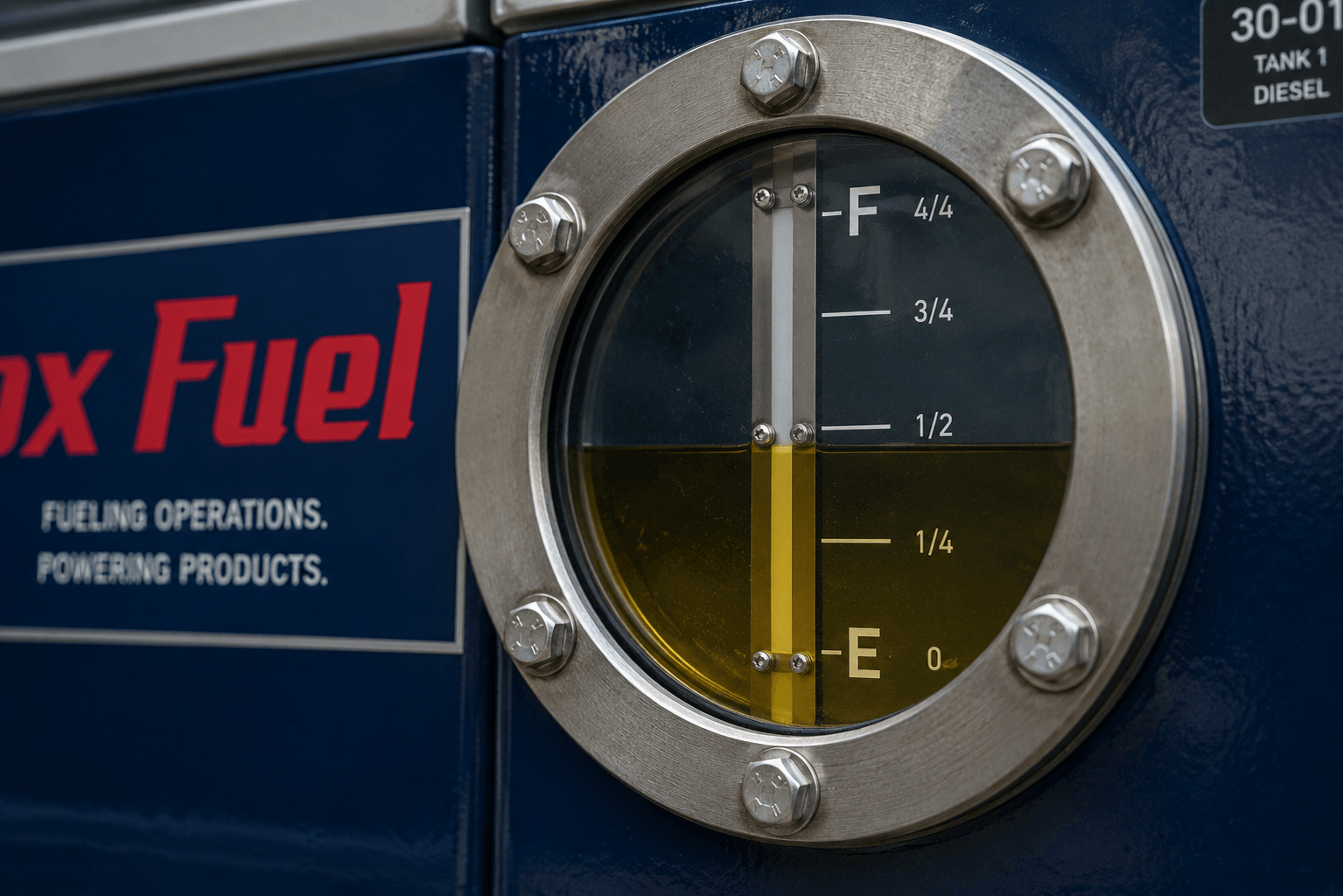
24/7 Emergency Fuel for Healthcare Facilities
Generator fuel failures in healthcare are not operational inconveniences -- they are patient safety events. Our emergency dispatch team is available around the clock to reach PA and NJ medical facilities before fuel reserve levels become critical.

WHY FOX FUEL PRO
Life Safety Operations Require a Different Standard of Supplier
Healthcare-Specific Programs
Generator fuel monitoring, automatic reserve top-off, and emergency priority dispatch built for life safety fuel requirements.
Direct Dispatch, No Call Centers
Call (215) 659-1616 and reach a local dispatcher immediately. No automated menus, no regional routing center, no callbacks.
Compliance Documentation
Delivery records, fuel certificates, and tank compliance documentation available for JCAHO, CMS, and state health department requirements.