
WHO WE SERVE
Fuel Programs for Data Centers and Critical Infrastructure
Fox Fuel delivers diesel and generator fuel programs to data centers, co-location facilities, and critical infrastructure operators across southeastern Pennsylvania and New Jersey. Facilities running Tier II through Tier IV infrastructure depend on generator fuel programs that match their uptime commitments.
We work with facility managers and critical systems teams at edge data centers, enterprise co-location facilities, and mission-critical campus deployments. Fuel monitoring, scheduled delivery to maintain reserve targets, and emergency dispatch for load testing or unplanned events are all standard.
THE PROCESS
How Data Centers Fuel Programs Work
Reserve Requirements Review
We review your generator capacity, required reserve levels (typically N+1 or better), and tank configuration.
Monitoring Enrollment
Fuel monitoring setup tied to your existing tank level sensors or our deployed monitoring equipment.
Automatic Top-Off Delivery
Fuel delivered to maintain your target reserve threshold -- triggered by level or schedule, not manual requests.
Emergency Priority Access
Pre-established emergency delivery priority for extended run events, load bank testing, or unplanned grid outages.
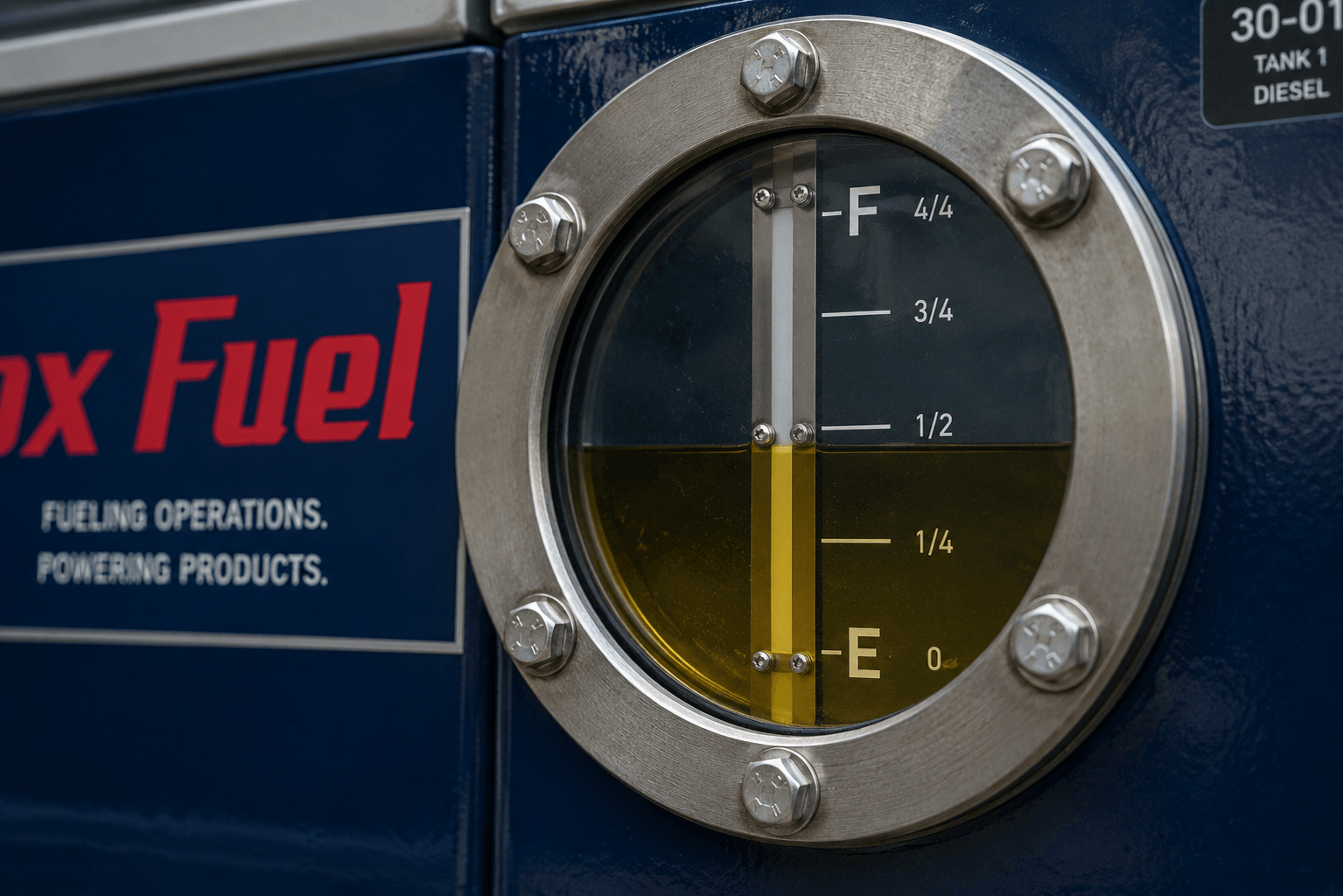
24/7 Emergency Fuel for Data Centers and Critical Systems
An extended power event that depletes generator reserves is the scenario that ends SLA compliance. Our emergency dispatch is available around the clock to resupply PA and NJ data center sites before reserves reach critical levels.
WHY FOX FUEL PRO
Critical Infrastructure Demands a Supplier Built for It
Reserve-Based Delivery
Delivery triggered by fuel level, not a calendar -- ensuring your generator reserves stay above your required threshold regardless of run time.
Emergency Priority Routing
Pre-enrolled emergency priority means your site moves to the front of dispatch during extended power events when multiple customers may need fuel.
Fuel Quality and Documentation
ULSD diesel with certificate of analysis available. Delivery records formatted for your facility uptime documentation requirements.